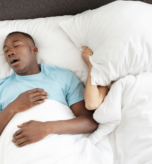

Struggling with poor sleep, constant fatigue, or loud snoring? You might be asking yourself, “Do I have sleep apnea?”
Sleep apnea is a common but often undiagnosed condition that affects your breathing during sleep. Left untreated, it can impact your energy, focus, and long-term health. Recognizing the early warning signs is the first step toward better sleep and better health.
What is Sleep Apnea?
Sleep apnea, especially obstructive sleep apnea (OSA), occurs when the airway becomes partially or completely blocked during sleep. This leads to repeated pauses in breathing, reducing oxygen levels and disrupting your natural sleep cycle.
Many people don’t even realize they have it.
10 Warning Signs of Sleep Apnea
1. Loud, Persistent Snoring
Frequent, loud snoring is one of the most common signs of sleep apnea. It often indicates restricted airflow in the airway.
2. Pauses in Breathing During Sleep
If your partner notices that you stop breathing or gasp for air while sleeping, it’s a major red flag for sleep apnea.
3. Waking Up Tired Despite a Full Night’s Sleep
Even after 7–8 hours of sleep, you may feel exhausted due to constant sleep interruptions.
4. Excessive Daytime Sleepiness
Feeling sleepy during the day, struggling to stay awake, or needing naps regularly may indicate poor sleep quality.
5. Morning Headaches
Low oxygen levels during sleep can lead to frequent headaches when you wake up.
6. Difficulty Concentrating or Memory Issues
Sleep deprivation affects brain function, leading to poor focus, forgetfulness, and reduced productivity.
7. Dry Mouth or Sore Throat in the Morning
Breathing through your mouth during sleep can leave you feeling dry or irritated upon waking.
8. Waking Up Gasping or Choking
Sudden awakenings with a choking sensation may indicate airway blockage.
9. Mood Changes, Irritability, or Anxiety
Poor sleep can affect your emotional health, causing mood swings, stress, or even depression.
10. High Blood Pressure or Existing Health Conditions
Sleep apnea is often linked to conditions like high blood pressure, heart disease, and diabetes.
When Should You Be Concerned?
If you experience multiple symptoms from this list, it’s important not to ignore them. Sleep apnea doesn’t just affect your sleep, it can impact your overall health, energy levels, and quality of life.
How is Sleep Apnea Diagnosed?
The only way to confirm sleep apnea is through a sleep evaluation, which may include a home sleep test or lab-based study. This helps determine:
- Whether you have sleep apnea
- How severe it is
- The best treatment for your condition
What Are Your Treatment Options?
The good news is, sleep apnea is treatable.
Depending on your condition, treatment options may include:
- Oral Appliance Therapy (comfortable CPAP alternative)
- CPAP therapy
- Lifestyle changes
For many patients, custom oral appliances provide an effective, comfortable solution without the hassle of machines.
Don’t Ignore the Signs
Sleep apnea is more common than you think—and often goes undiagnosed for years. The sooner you identify the symptoms, the sooner you can take control of your sleep and health.
Take the First Step Toward Better Sleep
If you suspect you may have sleep apnea, a professional evaluation can provide clarity and the right path forward.